
Brian Head
 Brian Head, Utah$$$
About this mountain
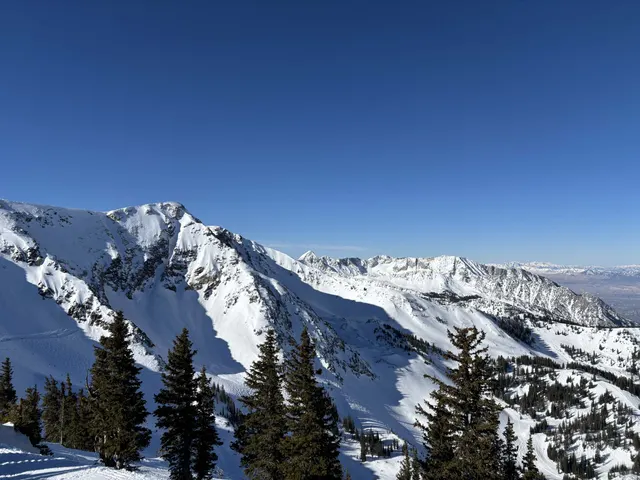
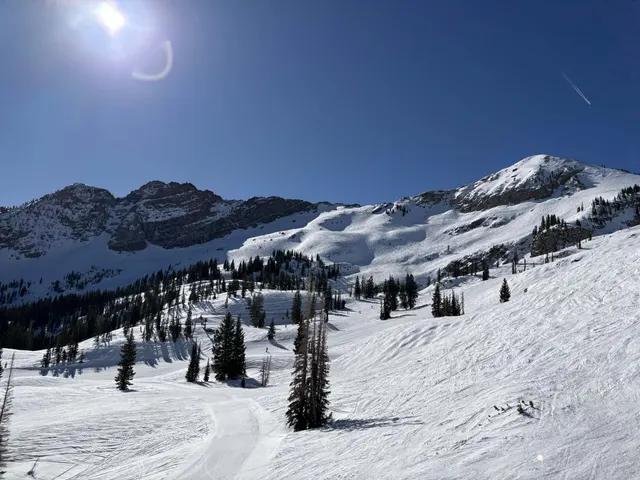
Brian Head Resort has operated since the 1960s, making it one of Utah's older ski areas. Located in Iron County in the southwestern corner of the state, it sits well outside the better-known Wasatch resorts and has built a following among skiers from southern Utah, Nevada, and northern Arizona who find it a more accessible alternative to the Salt Lake City corridor. The resort is known for its high base elevation, at 9,600 feet, it is among the highest base areas in Utah, which helps it maintain snow cover through the season despite its southern latitude. It has historically catered to families and intermediate skiers rather than pursuing a reputation as a destination resort.
The mountain offers 1,319 feet of vertical across two peaks, Giant Steps and Brian Head Peak, with terrain spread across runs suited primarily to beginners and intermediates. The upper mountain around Brian Head Peak provides the most challenging terrain the resort offers. With 12 lifts serving the area, lift lines tend to stay manageable. The small village at the base is limited in amenities but provides lodging and basic services. The resort suits skiers looking for a low-key, uncrowded experience rather than those seeking extensive expert terrain or a large ski town atmosphere.
Rankings
Where Brian Head places by community score.
Read: Best Resorts in Utah →Conditions
Snow reliability
From 20 seasons of snowfall history, matched to the published annual average
Reliability
66/100 · Reliable
More reliable than 72% of mountains
Best weeks
Feb 7–27
Mid-season dry spellThe share of past seasons with a stretch of 14 days or more in a row with no real new snow (under 1 cm, about half an inch, a day), in the heart of the season: mid-December to mid-March (mid-June to mid-September in the Southern Hemisphere).
85% of years
Fewer dry spells than 7% of mountains
Chance of a 6"+ day, by week
Tap a weekHover a week
Powder quality
How often the snow falls light and dry, from 20 seasons of hourly weather
Light and dry
95%
of its snow falls below 28°F
Region rank
#5 in the U.S. Rockies
of 94 mountains
State rank
#1 in Utah
of 16 mountains
Snow by type
Cold smoke60%
Under 20°F
Dry35%
20–28°F
Dense4%
28–32°F
Wet1%
Over 32°F
Light and dry, compared
Mountain
Vertical drop
1,548 ft
Base elevation
9,759 ft
Peak elevation
11,307 ft
Size (acres)
650
Total lifts
10
Longest run
2 mi
Annual snowfall
360"
Total trails
71
Terrain parks
3
Sun & shade
Mostly northwest-facing: holds snow well, cold in January.
Which runs are sunny, hour by hour →Trail breakdown
All lifts & trailsMountain DNA
Compare this mountain →How Brian Head ranks on each trait against every mountain on Slope Vaults. Dashed line: the median mountain.
Known for snow and size. Closest match: Diamond Peak (87% alike).
- Size
- Vertical
- Snow
- Reliability
- Steeps
- Cruisers
- Value
Reviews
What users say
No reviews yet
Be the first to say what it’s like.
Nearby
Getting there
The closest major airport is Salt Lake City International Airport (SLC), roughly a four-hour drive south via I-15 and then UT-143 through Parowan. Cedar City Regional Airport (CDC) is significantly closer, around 40 minutes away, and handles limited commercial flights. Las Vegas's Harry Reid International Airport (LAS) is approximately three hours to the southwest and is a realistic alternative, particularly for visitors coming from Southern California.
The primary access road is UT-143, which climbs steeply and can close or require chains during heavy snowfall, so carrying traction devices in winter is advisable. There is no dedicated resort shuttle service, and public transport options are essentially nonexistent. Most visitors stay in Cedar City, which offers the widest range of lodging and services, though some prefer the small resort village at Brian Head itself.
While you’re there
Brian Head is a small resort town, so après options are limited but functional. The Brian Head Resort base area has a lodge with food service, and the town along Highway 143 has a handful of casual dining spots and convenience options for self-catering. Accommodations range from basic motel-style rooms to condo rentals, many within walking distance of the lifts.
Beyond skiing, the area sits adjacent to Cedar Breaks National Monument, a striking amphitheater of eroded red rock worth visiting even in winter when the rim road is snow-covered, snowshoe and cross-country trails access parts of it. The nearby town of Cedar City, roughly 30 miles downhill, offers a broader restaurant and bar scene for evenings out.
Mountains like this
Matched on size, snow, terrain and more