
Nozawa Onsen
 Nagano, Nagano$$
About this mountain
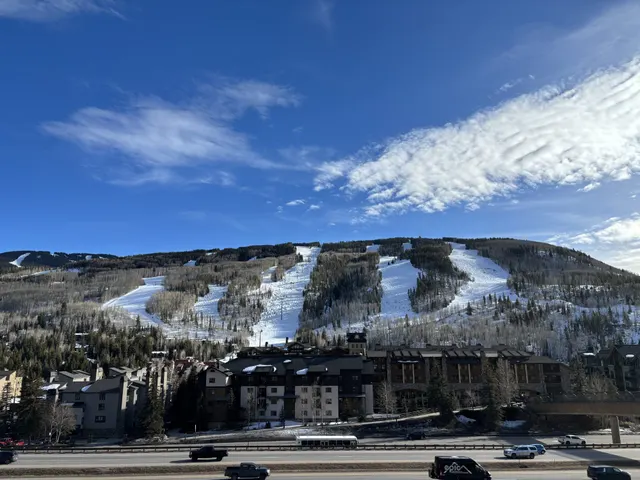
Nozawa Onsen Ski Resort traces its origins to 1941, making it one of the older developed ski areas in Japan. The resort grew alongside the existing hot spring village of Nozawa Onsen, which had been a destination for centuries before skiing arrived, and that layered history gives the area a character distinct from purpose-built resorts. It is well regarded among both Japanese and international visitors for consistent snowfall, the resort records around 400 inches annually, and for the authentic onsen town at its base, where public baths known as soto-yu are free to use. Nozawa has hosted FIS World Cup races and has a long association with competitive skiing in Japan.
The mountain rises from a base elevation of 1,854 feet to a summit of 5,394 feet, delivering roughly 3,540 feet of vertical across 42 kilometers of marked pistes served by 17 lifts. The upper mountain, accessed via the Uenotaira gondola, holds wider open terrain and tends to keep better snow conditions, while the lower runs through trees suit intermediates and provide shelter in poor visibility. Beginners have dedicated gentle areas near the base. The village itself sits immediately at the bottom of the slopes, making ski-in access straightforward, and the network of free public baths makes après-ski unusually affordable.
Rankings
Where Nozawa Onsen places by community score.
Conditions
Snow reliability
From 20 seasons of snowfall history, matched to the published annual average
Reliability
93/100 · Very reliable
More reliable than 98% of mountains
Best weeks
Dec 20–Jan 9
Mid-season dry spellThe share of past seasons with a stretch of 14 days or more in a row with no real new snow (under 1 cm, about half an inch, a day), in the heart of the season: mid-December to mid-March (mid-June to mid-September in the Southern Hemisphere).
0% of years
Fewer dry spells than 93% of mountains
Chance of a 6"+ day, by week
Tap a weekHover a week
Powder quality
How often the snow falls light and dry, from 20 seasons of hourly weather
Light and dry
72%
of its snow falls below 28°F
Region rank
#13 in Honshu
of 129 mountains
Country rank
#18 in Japan
of 141 mountains
Snow by type
Cold smoke28%
Under 20°F
Dry43%
20–28°F
Dense21%
28–32°F
Wet8%
Over 32°F
Light and dry, compared
Mountain
Vertical drop
3,540 ft
Base elevation
1,854 ft
Peak elevation
5,394 ft
Total lifts
17
Annual snowfall
400"
Total trails
47
Pistes
26 mi
Terrain parks
–
Sun & shade
Mostly northwest-facing: holds snow well, cold in January.
Which runs are sunny, hour by hour →Trail breakdown
All lifts & trailsTrail and lift data from OpenSkiData / OpenSkiMap.org, © OpenStreetMap contributors (ODbL), Skimap.org, Who’s On First, © Mapterhorn.
Mountain DNA
Compare this mountain →How Nozawa Onsen ranks on each trait against every mountain on Slope Vaults. Dashed line: the median mountain.
Known for reliability and snow. Closest match: Montana Snowbowl (87% alike).
- Size
- Vertical
- Snow
- Reliability
- Steeps
- Cruisers
- Value
Reviews
What users say
No reviews yet
Be the first to say what it’s like.
Nearby
Getting there
The closest major airport is Nagano Narita, actually, the most practical international gateway is Tokyo Narita (NRT) or Tokyo Haneda (HND), both roughly 4–5 hours from Nozawa Onsen by a combination of Shinkansen and local transport. Matsumoto Airport (MMJ) is the nearest regional option, around 90 minutes by road, though it handles limited domestic routes.
Most visitors travel via Iiyama Station on the Hokuriku Shinkansen, which is the closest bullet train stop, approximately 20 minutes from the village by taxi or shuttle. The village itself, Nozawa Onsen, is the primary base, a compact hot-spring town at the mountain's foot. The approach road is generally manageable in winter but can be affected by heavy snowfall, so snow tyres or chains are advisable when driving.
While you’re there
Nozawa Onsen's village is as much a draw as its slopes. The town's 13 free public bathhouses, known as *soto-yu*, are maintained by locals and open to visitors, Ogama is the most famous, an open-air communal pool that has been in use for centuries. After skiing, the narrow lanes are lined with small izakayas, sake bars, and noodle shops serving soba and ramen. Nozawa Onsen Tourism Association is a reliable starting point for finding current dining and event listings.
Beyond the baths, the village is genuinely walkable and rewards an evening stroll past traditional wooden buildings. The Dosojin Fire Festival in January is a significant local event, though timing a trip around it requires advance planning given accommodation demand.
Mountains like this
Matched on size, snow, terrain and more