Utah Olympic Park
 Park City, Utah$
About this mountain
Utah Olympic Park has its roots in the 2002 Salt Lake City Winter Olympics, when the facility was built to host Nordic combined, ski jumping, and bobsled and luge events. After the Games, the park expanded its public offerings, and alpine skiing was developed alongside the existing Olympic infrastructure. The site is widely associated with athlete training and youth development programs rather than destination resort skiing, and it continues to host competitive events and training camps. The U.S. Ski and Snowboard team has used the facilities for development purposes, giving the park a legitimate connection to elite-level winter sport.
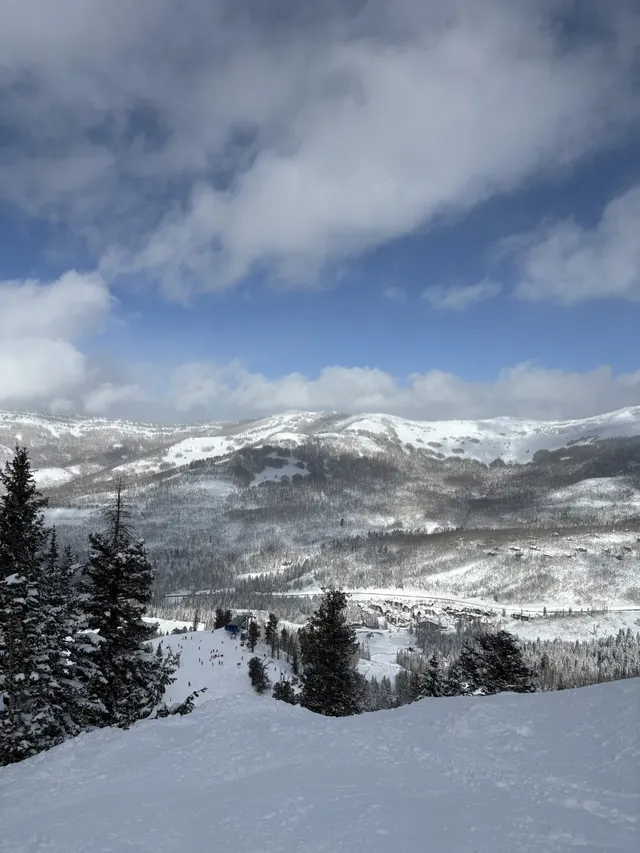
The ski area itself is modest in scale, with 400 feet of vertical drop across 20 skiable acres served by 2 lifts. The base sits at 7,300 feet and the summit reaches 7,700 feet, with the longest run measuring 0.4 miles. Average annual snowfall is around 250 inches. The limited terrain makes Utah Olympic Park best suited to beginners, families, and those looking for a low-pressure environment rather than advanced or expert skiers seeking challenge. Its proximity to Park City Mountain and Deer Valley means it functions more as an introduction to skiing or a complement to a broader Park City visit than as a standalone destination.
Rankings
Where Utah Olympic Park places by community score.
Read: Best Resorts in Utah →Conditions
Snow reliability
From 20 seasons of snowfall history, matched to the published annual average
Reliability
71/100 · Reliable
More reliable than 82% of mountains
Best weeks
Feb 14–Mar 6
Mid-season dry spellThe share of past seasons with a stretch of 14 days or more in a row with no real new snow (under 1 cm, about half an inch, a day), in the heart of the season: mid-December to mid-March (mid-June to mid-September in the Southern Hemisphere).
20% of years
Fewer dry spells than 81% of mountains
Chance of a 6"+ day, by week
Tap a weekHover a week
Powder quality
How often the snow falls light and dry, from 20 seasons of hourly weather
Light and dry
71%
of its snow falls below 28°F
Region rank
#10 in the Wasatch
of 14 mountains
State rank
#12 in Utah
of 16 mountains
Snow by type
Cold smoke24%
Under 20°F
Dry47%
20–28°F
Dense23%
28–32°F
Wet6%
Over 32°F
Light and dry, compared
Mountain
Vertical drop
400 ft
Base elevation
7,300 ft
Peak elevation
7,700 ft
Size (acres)
20
Total lifts
2
Longest run
0.4 mi
Annual snowfall
250"
Total trails
6
Terrain parks
1
Sun & shade
Mostly northeast-facing: holds snow well, cold in January.
Which runs are sunny, hour by hour →Trail breakdown
All lifts & trailsMountain DNA
Compare this mountain →How Utah Olympic Park ranks on each trait against every mountain on Slope Vaults. Dashed line: the median mountain.
Known for reliability and snow. Closest match: Little Ski Hill (91% alike).
- Size
- Vertical
- Snow
- Reliability
- Steeps
- Cruisers
- Value
Reviews
What users say
No reviews yet
Be the first to say what it’s like.
Nearby
Getting there
Salt Lake City International Airport (SLC) is the primary gateway, roughly 35–40 minutes from Utah Olympic Park under normal conditions. No other commercial airport is realistically closer. From SLC, most visitors take I-80 east to US-224 north into Park City; this stretch of I-80 through Parley's Canyon can close or face significant delays during heavy snowstorms, so checking road conditions before departure is advisable.
Park City is the natural base, sitting just minutes from the park, though Salt Lake City accommodations are also popular given the manageable drive. The Park City Transit free bus network serves the broader Park City area, and various private shuttle services operate between SLC and Park City, reducing the need for a rental car.
While you’re there
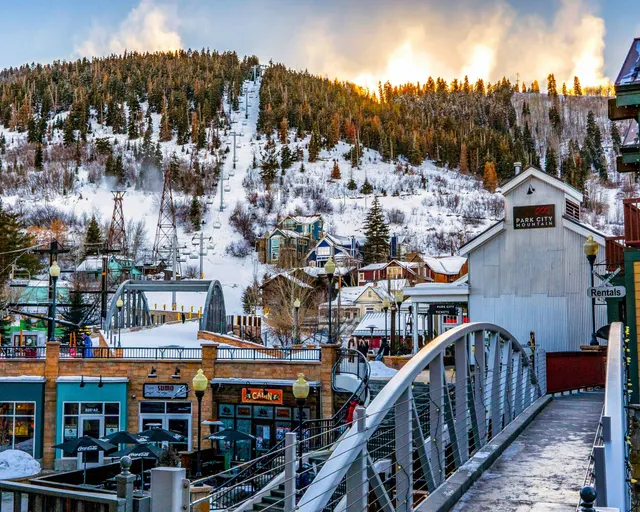
Park City's Main Street, a short drive from Utah Olympic Park, offers a well-established dining and bar scene with options ranging from casual burger joints to upscale mountain cuisine. No Name Saloon & Grill is a longtime local favourite known for its buffalo burgers and lively atmosphere, while the broader strip hosts plenty of après options for winding down after time on the hill.
Beyond skiing and ski jumping, the park itself offers year-round activities including bobsled and skeleton rides on the Olympic track, a alpine slide, zip lines, and a freestyle aerial training facility. The Utah Olympic Park museum documents the 2002 Winter Olympics and is worth an hour of your time regardless of season.
Mountains like this
Matched on size, snow, terrain and more