
Lake Louise Ski Resort
 Lake Louise, Alberta$$$$
About this mountain
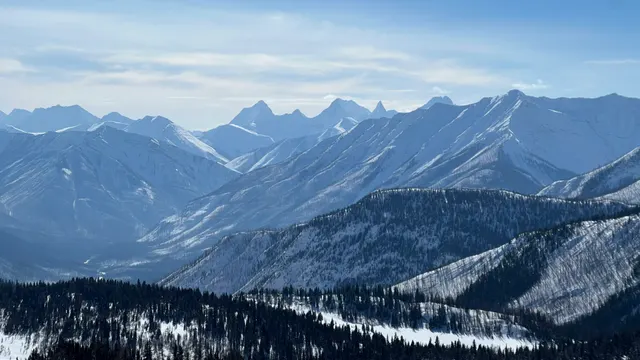
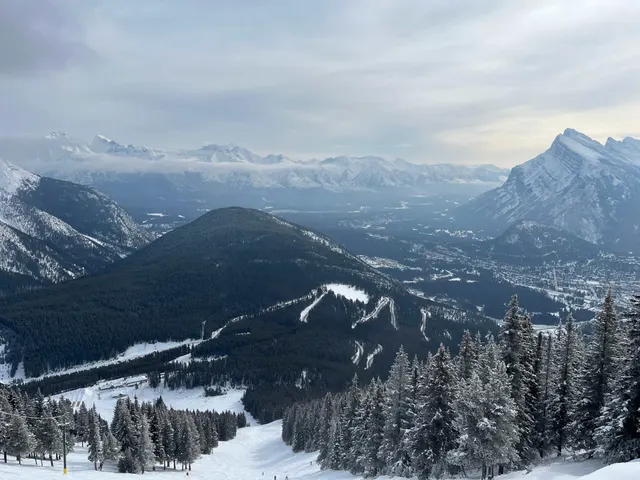
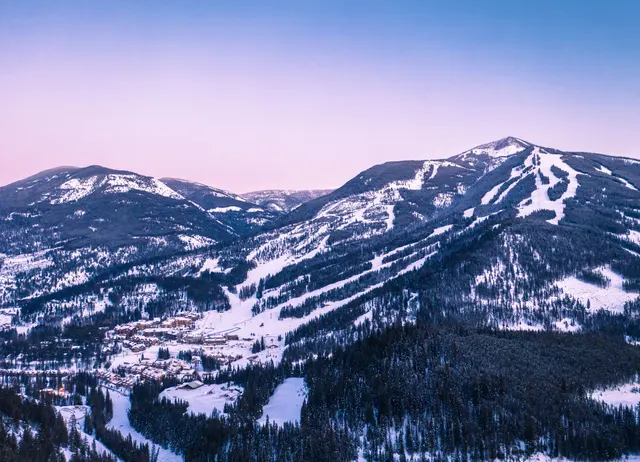
Lake Louise Ski Resort opened in 1954 and has grown into one of the most recognized ski areas in the Canadian Rockies. Built around the natural amphitheater above the Bow Valley, it developed steadily through the latter half of the twentieth century, expanding across four distinct mountain faces. The resort has a long association with World Cup alpine racing, having hosted men's and women's downhill and super-G events on the Whitehorn and occasionally related courses for many decades, drawing top-level competition to the area each November. It is also included on the Ikon Pass, giving it access to a broad international skier base.
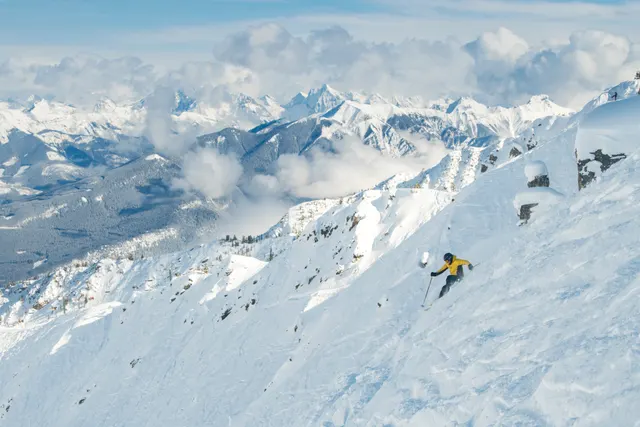
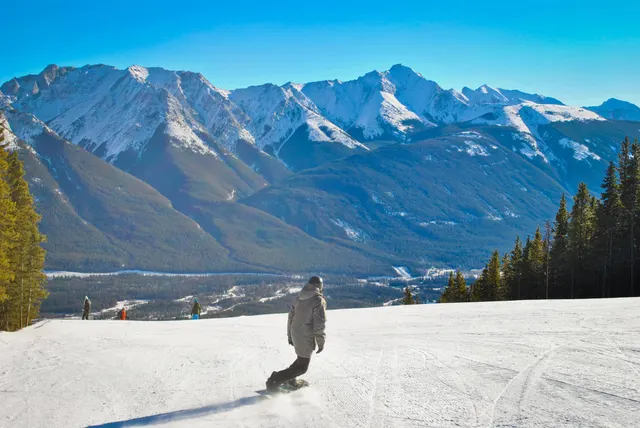
The terrain spans approximately 4,200 skiable acres with a vertical drop of 3,250 feet between a base elevation of 5,400 feet and a summit of 8,650 feet. Key areas include the Front Side, the Back Bowls, and the Larch and Ptarmigan zones, which together provide a wide range of difficulty and exposure. The longest run stretches about five miles. With 179 inches of average annual snowfall and north-facing aspects on much of the mountain, snow preservation tends to be reliable through the season. The resort suits intermediate through advanced skiers particularly well, though beginner terrain exists near the base. Access is through the village of Lake Louise, roughly two hours west of Calgary on the Trans-Canada Highway.
Rankings
Where Lake Louise Ski Resort places by community score.
Read: Best Resorts in North America →Conditions
Snow reliability
From 20 seasons of snowfall history, matched to the published annual average
Reliability
64/100 · Fairly reliable
More reliable than 67% of mountains
Best weeks
Nov 1–21
Mid-season dry spellThe share of past seasons with a stretch of 14 days or more in a row with no real new snow (under 1 cm, about half an inch, a day), in the heart of the season: mid-December to mid-March (mid-June to mid-September in the Southern Hemisphere).
40% of years
Fewer dry spells than 55% of mountains
Chance of a 6"+ day, by week
Tap a weekHover a week
Powder quality
How often the snow falls light and dry, from 20 seasons of hourly weather
Light and dry
91%
of its snow falls below 28°F
Region rank
#2 in the Canadian Rockies
of 16 mountains
Province rank
#2 in Alberta
of 30 mountains
Snow by type
Cold smoke63%
Under 20°F
Dry28%
20–28°F
Dense8%
28–32°F
Wet2%
Over 32°F
Light and dry, compared
Mountain
Vertical drop
3,250 ft
Base elevation
5,400 ft
Peak elevation
8,650 ft
Size (acres)
4,200
Total lifts
11
Longest run
5 mi
Annual snowfall
179"
Total trails
170
Terrain parks
0
Sun & shade
Mostly southwest-facing: sunny and warmer. Snow softens early and gets heavy by afternoon in March.
Which runs are sunny, hour by hour →Trail breakdown
All lifts & trailsMountain DNA
Compare this mountain →How Lake Louise Ski Resort ranks on each trait against every mountain on Slope Vaults. Dashed line: the median mountain.
Known for value and size. Closest match: Killington Resort (76% alike).
- Size
- Vertical
- Snow
- Reliability
- Steeps
- Cruisers
- Value
Reviews(3)
Terrain
Scenery
Snow
Lifts
Après
What users say

1mo
Personally liked sunshine better but also came on a crusty day. Unreal views

1mo
The most spectacular views you will have at almost any resort. Terrain is very diverse, and the backside makes you feel truly secluded. Base facilities are very cool looking, and crowds are sparse. Lifts could use some modernizing. Unfortunately, West Bowl was closed when we were there. I also recommend going to the lake after your ski day to ice skate.
 Top of the World Express
 Larch Express
Nearby
Getting there
The closest major airport is Calgary International Airport (YYC), roughly 200 km east of the resort, a drive of approximately two hours under normal conditions along the Trans-Canada Highway (Highway 1). Edmonton International Airport (YEG) is a more distant option at around four to five hours. Highway 1 is the primary access route and, while well maintained and regularly plowed, can be subject to temporary closures due to avalanche control work or severe weather, so checking road conditions before departure is advisable.
Most visitors base themselves in the town of Banff (about 55 km from the resort) or in Lake Louise village, which sits only a few kilometres from the ski area. Public transit options are limited, though Roam Transit operates seasonal service connecting Banff and Lake Louise. Some Calgary-based operators run day-trip coach transfers during the ski season.
While you’re there
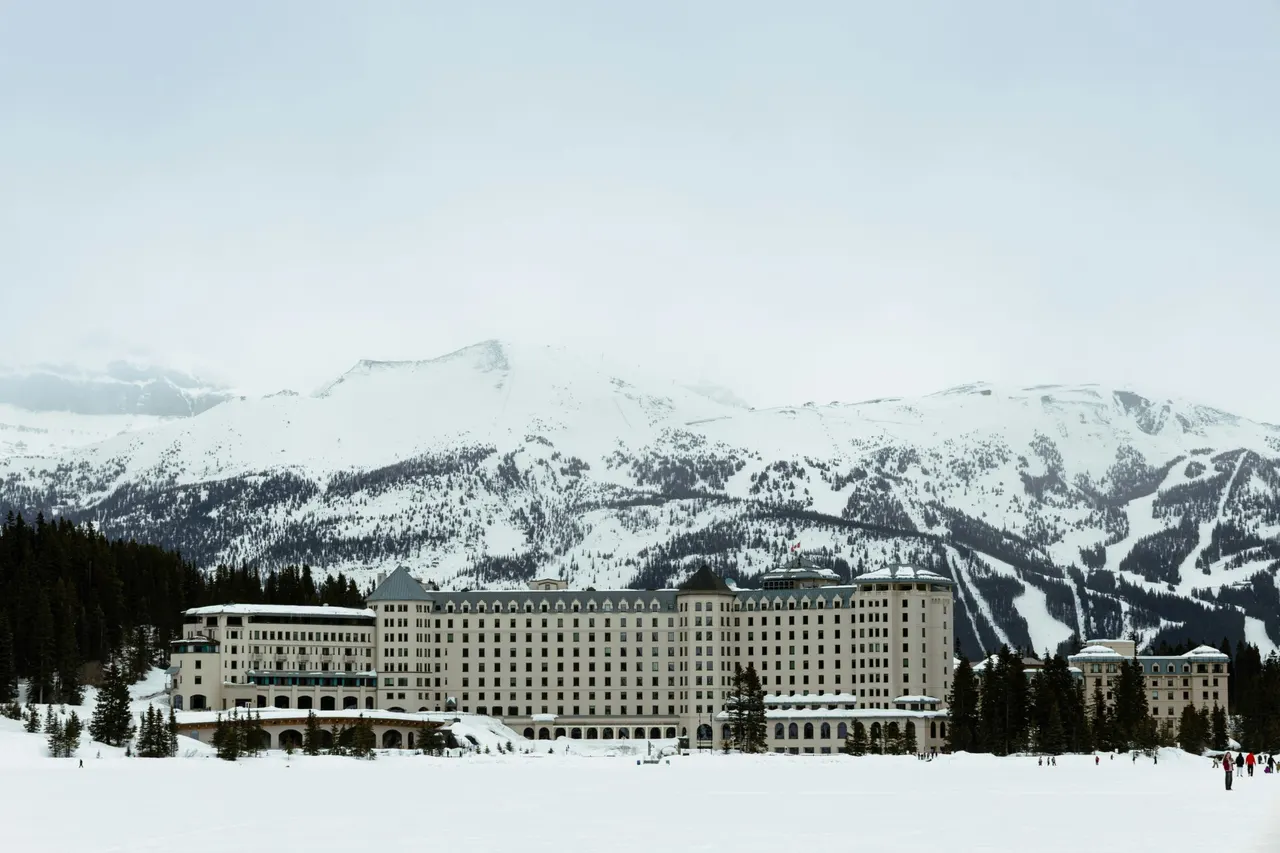
The mountain's Kokanee Kabin serves as the main mid-mountain lunch spot, while the Lodge of Ten Peaks at the base houses the Powder Keg Lounge, a reliable après gathering point for warming up with local beers and food after a long day on the hill. The nearby Fairmont Chateau Lake Louise hotel offers a more upscale option for drinks or dinner, and the town of Banff, roughly an hour's drive away, provides a wider range of dining and nightlife if you're willing to make the trip.
Away from skiing, the frozen lake itself is a draw, the landscape around Lake Louise is part of Banff National Park, and snowshoeing, ice skating on the lake, and wildlife watching are all realistic pursuits without venturing far from the resort.
Mountains like this
Matched on size, snow, terrain and more